Colour is one of the most powerful tools in interior design, but it is often thought of as a finishing touch.
In reality, colour influences how a space feels, how it connects to the rest of the home and how naturally you want to spend time there. The right colour direction can make a room feel calm, warm, fresh, grounded, playful or refined, depending on the feeling you want to create.
Colour is about more than paint
When we think about colour, paint is often the first thing that comes to mind. But colour appears in every layer of a home, from flooring, cabinetry and benchtops to tiles, furniture, artwork, textiles, lighting finishes and decorative details.
A beautiful colour palette is not created by choosing one colour in isolation. It comes from considering how each material, finish and furnishing works together.
Layer colour through tone, texture and materiality
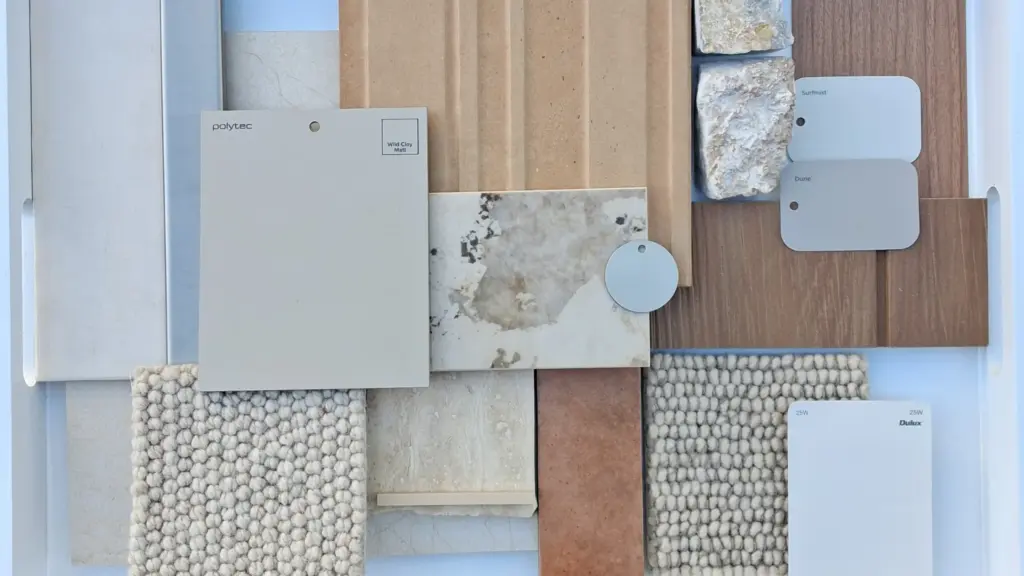
Colour is not only about the shade you choose. It is also about how different tones respond to one another, how texture creates depth, how pattern adds interest and how each material contributes to the overall feeling and function of a space.
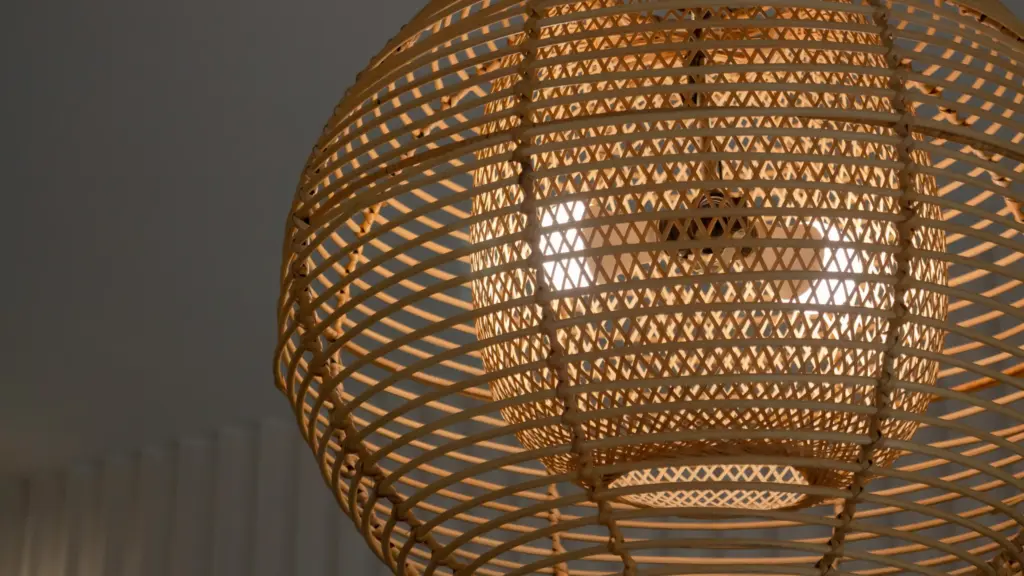
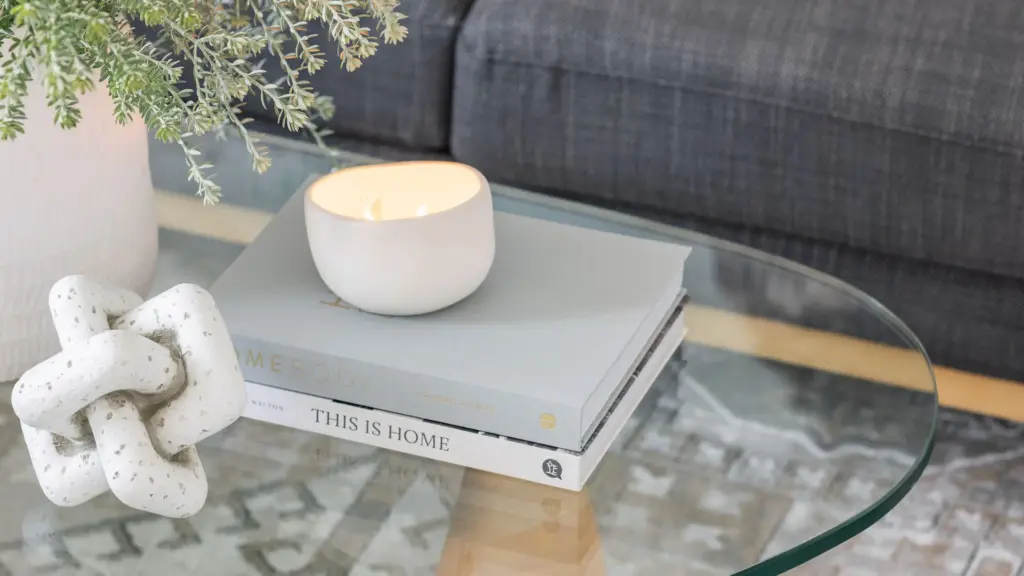
A palette can feel soft and calming through gentle tonal shifts, or more expressive through contrast, pattern and richer colour moments. Timber, stone, fabric, tile, metal, paint and artwork all carry their own tone, texture and visual weight, which means each selection affects the way the overall palette is experienced.
When these layers are considered together, colour becomes more than decoration. It helps shape the mood, rhythm and personality of a space.
Start with the feeling you want to create
Before choosing colours, it is helpful to think about how you want each space to feel.
A bedroom may need to feel calm and restful. A kitchen might need to feel fresh, warm and inviting. A living room may need to feel relaxed, layered and connected to the people who use it every day.
When you start with the feeling, the colour decisions become more intentional.
Consider the natural and artificial light
Colour changes depending on the light in a space. A colour that feels soft and warm in one room may feel cool, flat or too strong in another.
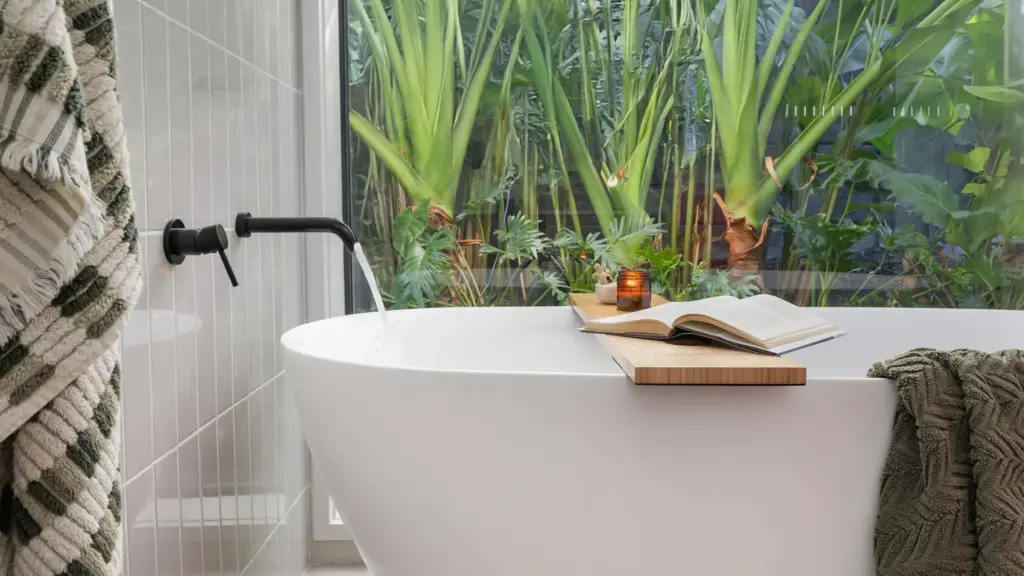
Natural light, orientation, surrounding environment and artificial lighting can all influence the way a colour appears. Elements outside your windows, from greenery and water to brickwork or neighbouring buildings, can also affect the light and colour within the room.
This is why it is important to test colours in the actual space, at different times of the day, and under both natural and artificial light before making final decisions.
It is also helpful to view your samples together. Paint colours, flooring, cabinetry finishes, benchtops, tiles, fabrics, hardware and lighting finishes can all shift in appearance when placed alongside one another. Seeing them together in the space allows you to assess how the colours, undertones and textures interact as part of the overall palette.
Create connection across the home
A colour palette does not need to be the same in every room, but it should feel connected.
This might be achieved through repeated undertones, a consistent base palette, complementary materials, or small moments of colour that carry from one area to another. These details help a home feel considered rather than pieced together.
Use colour in a way that feels personal
Colour does not have to mean bold walls or dramatic statements. Sometimes it appears in subtle ways, through artwork, cushions, upholstery, tiles, cabinetry, styling pieces or exterior details.
The most successful colour palettes are the ones that feel personal to the people who live in the home, while still working with the architecture, light, materials and overall design direction.
A considered colour palette brings clarity
When colour is planned as part of the bigger picture, it can bring warmth, cohesion and personality to a home. It helps each space feel connected, while still allowing individual rooms to have their own mood and purpose.
At JML Design, we consider colour alongside layout, lighting, finishes, furnishings and the way each space is used, so every decision supports the overall feeling of the home.