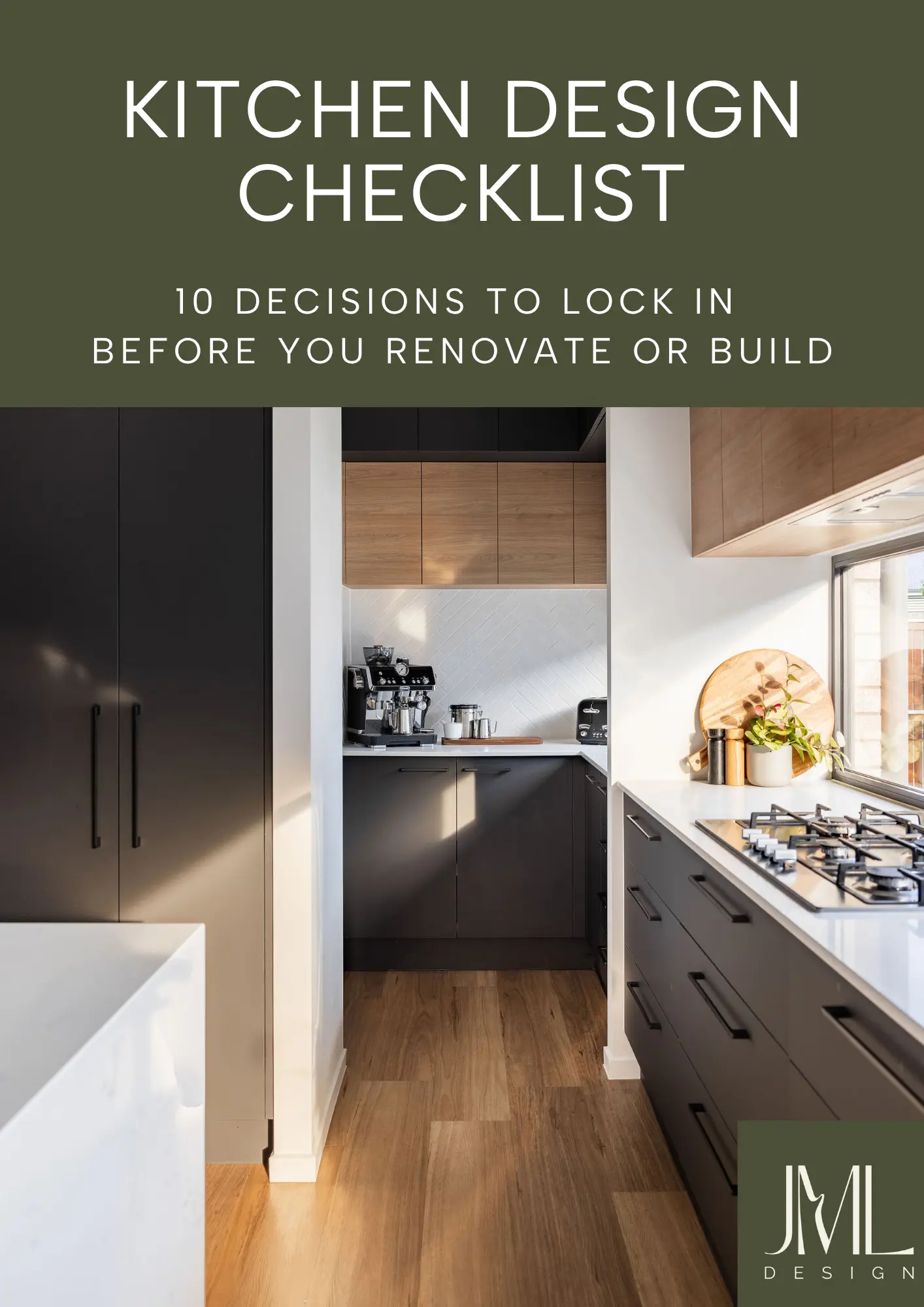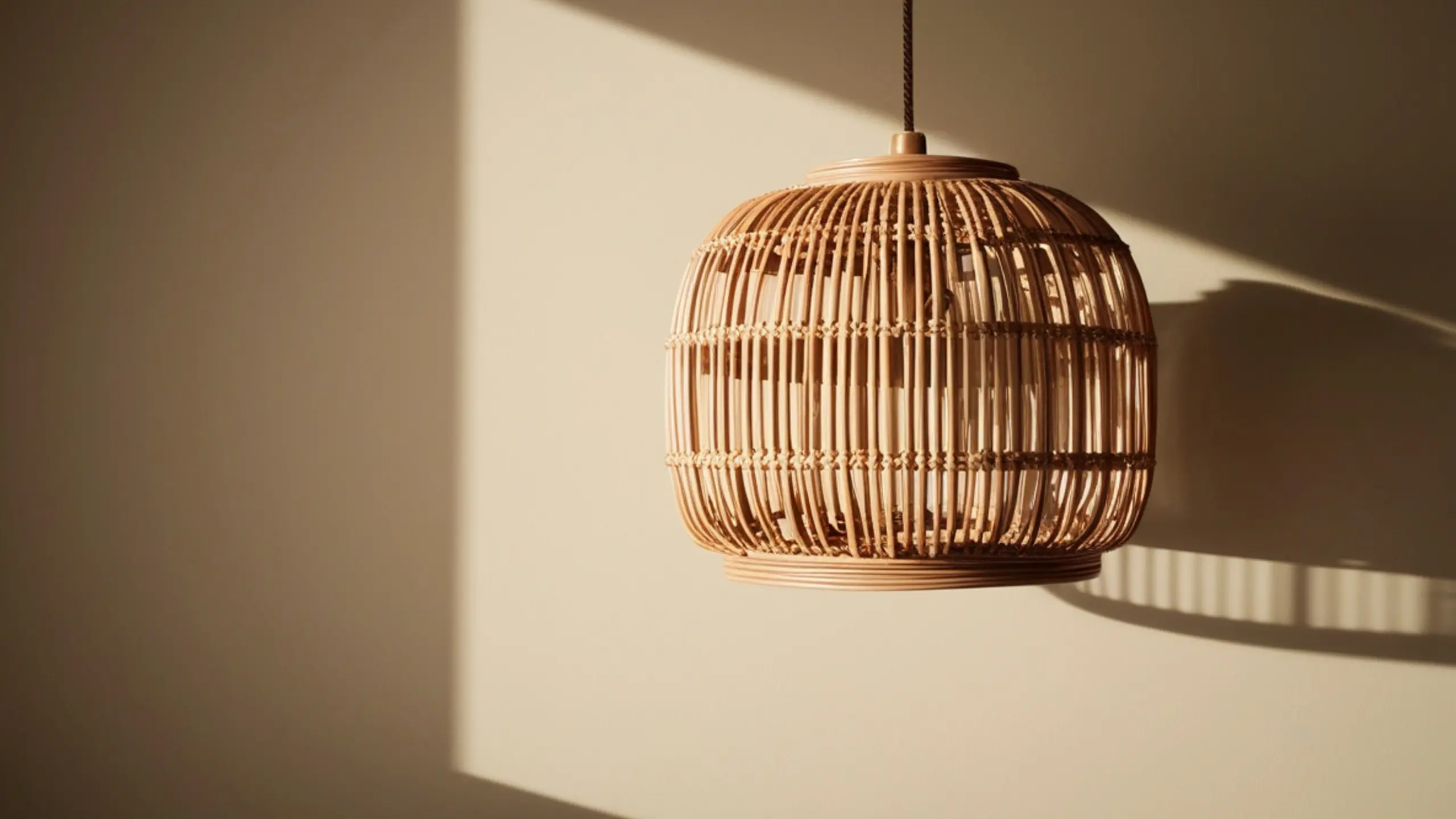
The best home lighting ideas come from layering three kinds of light in every room: ambient light for general brightness, task light where you work, and accent light for mood and atmosphere. When those three layers are planned together, and on separate switches or dimmers, a room can feel bright and practical in the morning and calm and warm at night.
The catch is timing. Lighting is one of the hardest things to change once ceilings are closed and walls are lined, so the best time to plan it is alongside your floor plan and electrical layout, not after.
The three layers of light
- Ambient: the base layer that lets you move around the room comfortably. Think downlights, ceiling fittings or diffused pendants.
- Task: focused, brighter light where you prepare food, read, apply make-up or work. Under-cabinet strips, wall lights beside a mirror and reading lamps all fall here.
- Accent: softer light that adds depth and warmth: lighting a piece of artwork, a shelf, a textured wall or the plinth under a vanity.
Kitchen lighting
The kitchen needs the strongest task lighting in the home. Benches should be lit without shadows from your own body, which usually means light from under the overhead cabinets as well as from the ceiling. Pendants over an island add a focal point, but they work best on their own switch or dimmer so the kitchen can soften into the living space after dinner.
Plan the position of every pendant against the final island size and stool positions, not just the ceiling grid. Our kitchen design service resolves this alongside appliances and joinery.
Bathroom lighting
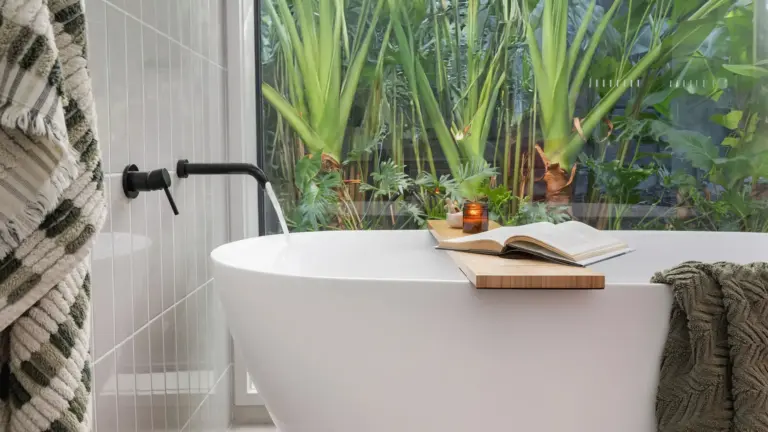
In a bathroom, the most important light is at the mirror. Light from the sides or from a fitting positioned just above the mirror is more flattering and practical than a single downlight overhead, which casts shadows across the face. A soft light under a floating vanity or in a shower niche gives you a gentle night light for late-night trips without switching on the full brightness.
In our award-winning townhouse bathroom, dimmable pendants above the vanity and soft under-vanity lighting gave the room both function and a calm, spa-like mood. You can read more in the case study.
Living and dining areas
Living spaces are where layered lighting matters most, because they are used in so many ways. Combine a dimmable ambient layer with floor and table lamps at different heights, and a pendant centred on the dining table rather than the room. In open-plan homes, lighting should connect the kitchen, dining and living zones rather than treating them as separate rooms.
Bedrooms
Bedrooms need less overhead light than most people expect. Bedside wall lights or lamps for reading, a soft ambient layer and a switch you can reach from the bed make a room far more restful. Two-way switching at the door and bedside is a small electrical decision that makes a big difference every night.
Colour temperature and dimming
Warm white light (around 2700K to 3000K) generally suits living spaces and bedrooms, while slightly cooler light can work for task areas. Keeping colour temperature consistent within a room avoids a patchy look. Dimmers are one of the most cost-effective upgrades you can make: they let one set of fittings serve the morning rush and a quiet evening.
Plan lighting before the electrical is locked in
Most lighting regrets come from decisions made too late: a downlight that ends up in the wrong place once furniture arrives, a pendant that doesn’t align with the island, or a missing power point for a lamp. Bringing lighting into the design stage means every light, switch and power point is where you need it.
Home lighting ideas: frequently asked questions
When should lighting be planned in a renovation?
Ideally alongside your floor plan and electrical layout, before walls are lined and cabinetry is finalised.
Can an interior designer work with my electrician?
Yes. A lighting plan can include fixture selections, placement and switching, coordinated with your builder or electrician.
Planning your lighting? Our lighting design service covers concepts, fixture selections and placement for Brisbane and Gold Coast homes. Book a free 20-minute discovery call to talk through your project.